Preserving Legacy: The Importance of Family Archives

Family archives are more than just collections of old photographs and documents; they are the heart and soul of our family histories. They tell stories of our ancestors, preserve memories, and connect generations. In an age where digital technology dominates, the importance of maintaining these archives cannot be overstated. This blog post will explore the significance of family archives, how to create and maintain them, and the benefits they bring to families.

Understanding Family Archives
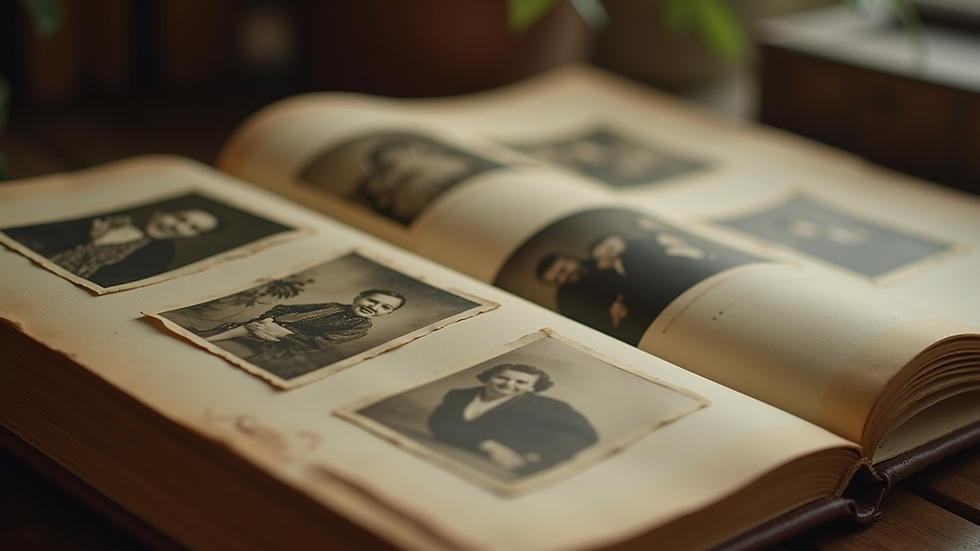
Family archives encompass a variety of materials that document the history and experiences of a family. These can include:
Photographs: From candid snapshots to formal portraits, photographs capture moments in time.
Letters and Correspondence: Written communications provide insights into the thoughts and feelings of family members.
Documents: Birth certificates, marriage licenses, and other official papers help trace lineage and family history.
Keepsakes: Items like heirlooms, clothing, and memorabilia hold sentimental value and tell stories of their own.
The Value of Family Archives
Family archives serve several important purposes:
Preservation of History: They safeguard the stories and experiences of previous generations, ensuring that future generations can learn from them.
Cultural Identity: Archives help maintain a family's cultural heritage, allowing members to connect with their roots.
Strengthening Bonds: Sharing family stories fosters connections among relatives, creating a sense of belonging and unity.
Educational Resource: Family archives can serve as valuable resources for genealogical research, providing insights into family history and lineage.
Creating Your Family Archive
Starting a family archive may seem daunting, but it can be a rewarding and enjoyable process. Here are some steps to help you get started:
Step 1: Gather Materials
Begin by collecting any existing family documents, photographs, and keepsakes. Reach out to relatives to see if they have items to contribute. This collaborative effort can uncover hidden treasures and stories.
Step 2: Organize Your Collection
Once you have gathered materials, organize them in a way that makes sense to you. Consider categorizing items by:
Family Member: Group items by individual family members to highlight their unique stories.
Time Period: Organize materials chronologically to illustrate the family's journey through time.
Event: Create sections for significant family events, such as weddings, reunions, or holidays.
Step 3: Digitize Your Archive
In today's digital age, it's wise to create digital copies of your physical items. Use a scanner or a high-quality camera to digitize photographs and documents. This not only preserves them but also makes sharing easier with family members.
Step 4: Store and Protect
Proper storage is crucial for preserving your family archives. Use acid-free boxes and folders to protect documents and photographs from deterioration. Keep your collection in a cool, dry place away from direct sunlight.
Step 5: Share and Engage
Once your archive is established, share it with family members. Consider hosting a family gathering to showcase the collection. This can spark conversations and encourage others to contribute their stories and materials.
Maintaining Your Family Archive
Creating a family archive is just the beginning. Regular maintenance is essential to ensure its longevity. Here are some tips for keeping your archive in good condition:
Regular Updates
As your family grows and evolves, so should your archive. Make it a habit to add new materials regularly. This could include:
New photographs from family events
Letters or emails documenting recent experiences
Updates on family members' achievements or milestones
Preservation Techniques
To maintain the quality of your materials, consider the following preservation techniques:
Avoid Handling: Minimize direct handling of photographs and documents. Use gloves when necessary to prevent oils from your skin from damaging the items.
Climate Control: Store your archive in a climate-controlled environment to prevent damage from humidity and temperature fluctuations.
Digital Backups: Regularly back up your digital files to multiple locations, such as external hard drives and cloud storage.
The Benefits of Family Archives
Investing time and effort into creating and maintaining family archives yields numerous benefits:
Strengthening Family Connections
Sharing family stories and memories fosters a sense of belonging. When family members engage with the archive, they can connect with their heritage and each other, strengthening familial bonds.
Educational Opportunities
Family archives can serve as valuable educational tools for younger generations. They can learn about their ancestry, cultural heritage, and the experiences that shaped their family. This knowledge can instill pride and a sense of identity.
Historical Insight
Family archives provide a unique perspective on historical events. They can offer insights into how your family experienced significant moments in history, such as wars, migrations, or social changes. This personal connection to history can deepen understanding and empathy.
Legacy for Future Generations
By preserving family archives, you create a legacy for future generations. They will have access to their family's history, stories, and values, allowing them to carry on traditions and maintain connections to their roots.
Conclusion
Family archives are invaluable treasures that preserve our histories, strengthen our connections, and educate future generations. By taking the time to create and maintain these archives, we honor our ancestors and ensure that their stories live on. Start your family archive today and embark on a journey of discovery, connection, and legacy.
As you gather materials and share stories, remember that every item holds a piece of your family's history. Embrace the process, and you may uncover stories that inspire and unite your family for years to come.

Comments